Introduction
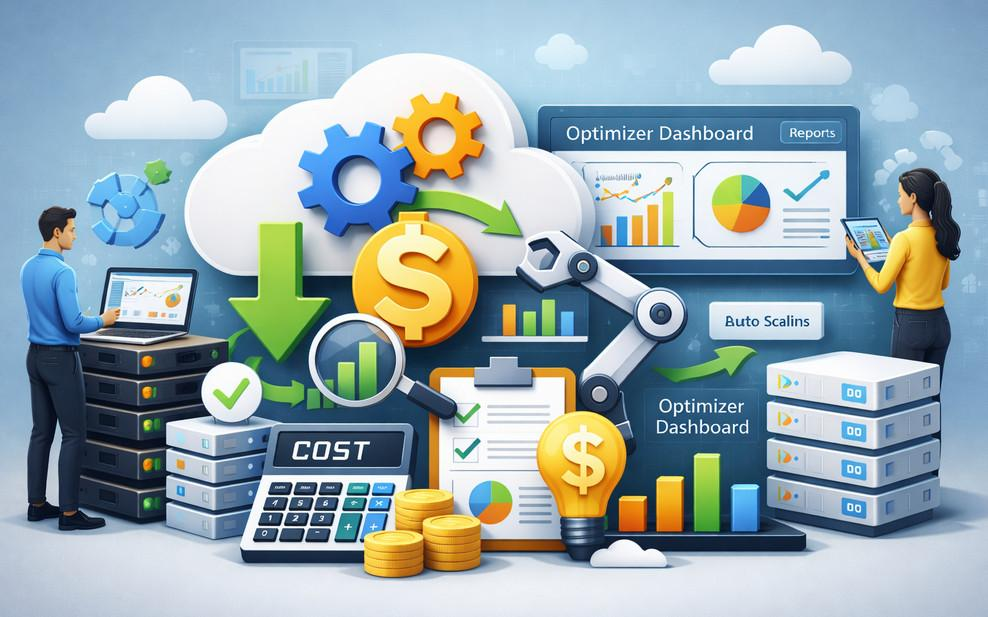
Cloud computing gives businesses unmatched flexibility, scalability, and speed. But without proper controls, cloud costs can quickly spiral out of control. Many organizations move to the cloud expecting cost savings, only to discover rising monthly bills caused by unused resources, overprovisioning, and lack of visibility.
This is where automation becomes critical for cloud cost optimization. By automating cost management processes, organizations can continuously monitor, control, and optimize cloud spending without manual intervention.
In this blog, we’ll explore why automation is critical for cloud cost optimization and how it helps organizations control spending, eliminate waste, and achieve continuous financial efficiency in the cloud.
Understanding Cloud Cost Optimization
Cloud cost optimization focuses on eliminating unnecessary cloud spending while preserving performance, security, and scalability. It requires a structured approach that includes:
- Detecting idle and underutilized resources
- Rightsizing compute, storage, and database services
- Selecting and optimizing pricing models such as Reserved Instances, Savings Plans, and Spot instances
- Enforcing governance policies, budgets, and cost controls
In fast changing cloud environments, managing costs manually is inefficient and highly prone to errors. Automation enables continuous monitoring and optimization, making cloud cost management accurate, scalable, and sustainable.
Why Manual Cost Management Fails in the Cloud
Traditional IT cost control relied on static infrastructure and predictable workloads. Cloud environments are different:
- Resources are created and deleted frequently
- Multiple teams provision services independently
- Usage fluctuates based on demand
- Billing is complex and granular
Manual monitoring cannot keep up with this pace. Automation ensures continuous cost optimization, not just periodic reviews.
Key Reasons Automation Is Critical for Cloud Cost Optimization
1. Real Time Cost Visibility and Monitoring
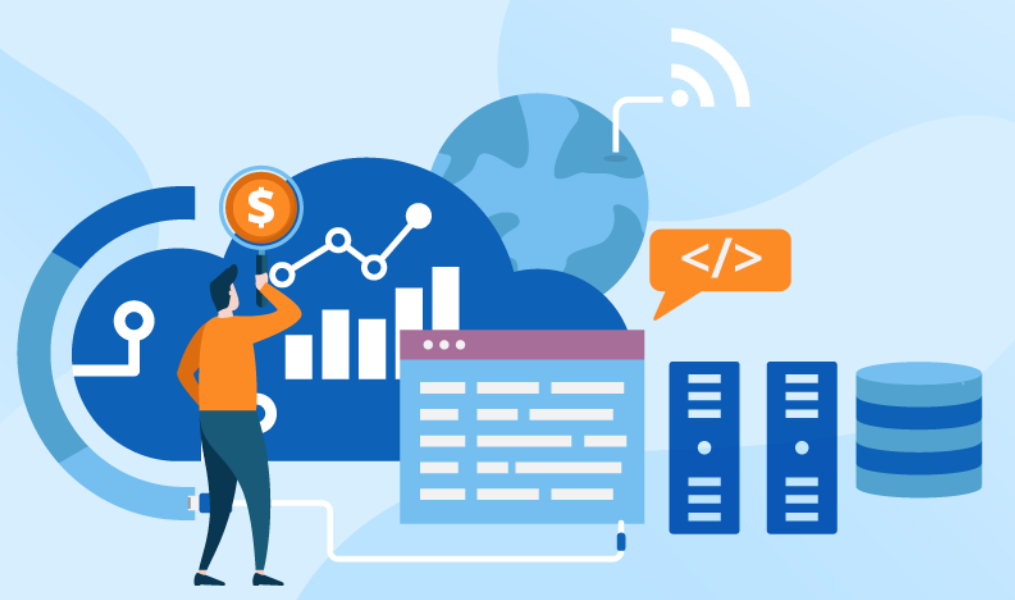
Automation tools continuously track cloud usage and spending across accounts, subscriptions, and projects. They provide:
- Real time cost dashboards
- Automated alerts for budget overruns
- Service level cost breakdowns
This immediate visibility helps teams detect anomalies before costs escalate.
2. Automatic Identification of Waste
One of the biggest contributors to high cloud bills is unused or underutilized resources. Automation can automatically detect:
- Idle virtual machines
- Unattached disks and snapshots
- Overprovisioned databases
- Unused load balancers and IPs
These resources can then be shut down or removed automatically, ensuring cloud cost optimization without manual audits.
3. Rightsizing Resources at Scale
Automation analyzes performance metrics such as CPU, memory, and I/O usage to recommend or apply rightsizing actions. This ensures:
- No overprovisioning
- Optimal performance at lower cost
- Continuous adjustment as workloads change
Automated rightsizing is essential for large scale cloud environments where manual tuning is impractical.
4. Policy Based Cost Governance
Automation enables organizations to enforce cost governance through policies such as:
- Mandatory resource tagging
- Spending limits per team or project
- Automated shutdown of non production resources after business hours
This ensures consistent cost control across teams while reducing reliance on human enforcement.
5. Optimized Pricing Models Automatically
Cloud providers offer multiple pricing options, but selecting and managing them manually is complex. Automation helps by:
- Identifying workloads suitable for Reserved Instances or Savings Plans
- Automatically purchasing or recommending optimal commitments
- Leveraging Spot instances for fault tolerant workloads
This maximizes savings while minimizing operational effort.
6. Continuous Optimization, Not One Time Savings
Cloud environments are constantly changing. Automation ensures that cost optimization is:
- Continuous
- Proactive rather than reactive
- Aligned with real-time usage patterns
Instead of quarterly cost reviews, automation delivers ongoing cloud financial efficiency.
Automation and FinOps: A Perfect Match
FinOps is a growing discipline focused on cloud financial management. Automation is a core pillar of FinOps because it:
- Bridges the gap between engineering, finance, and operations
- Provides actionable insights instead of raw data
- Enables fast, data driven cost decisions
Without automation, FinOps initiatives struggle to scale.
Common Tools Used for Automated Cloud Cost Optimization
Organizations commonly use:
- Native tools (AWS Cost Explorer, Azure Cost Management, Google Cloud Billing)
- Third party FinOps platforms
- Infrastructure as Code (Terraform, Bicep) with cost controls
- Auto scaling and scheduling tools
Combining these tools with automation ensures effective cloud cost governance.
Business Benefits of Automated Cloud Cost Optimization
By implementing automation, organizations gain:
- Lower cloud bills without performance compromise
- Improved financial predictability
- Faster response to cost anomalies
- Reduced operational overhead
- Stronger governance and accountability
Automation turns cloud cost management from a manual burden into a strategic advantage.
Conclusion
Cloud cost optimization is no longer optional it’s a necessity. As cloud environments grow in complexity, automation is the only sustainable way to control costs effectively. By automating monitoring, rightsizing, governance, and optimization actions, organizations can achieve continuous cost savings while maintaining agility and performance.
If your cloud cost management still relies on manual processes, it’s time to embrace automation and unlock the true financial benefits of the cloud.
Check out our detailed blog on How GitHub Actions Simplifies Cloud Deployments.
What’s Next?
We’re here to support you! Should you have any questions or need assistance, don’t hesitate to get in touch with us. Contact us at info@uranuscloudsolutions.com and we’ll be happy to help. Your satisfaction is our priority!.